HomeCasinos

Tribal gaming · Tulsa & Catoosa

Tulsa Casinos

It started with high-stakes bingo in 1984. Four decades later, Tulsa's tribal casinos are resort destinations — concert halls, hotels, spas, and gaming floors run by the Cherokee, Muscogee (Creek), and Osage Nations.

Open now

Where to Play

Cherokee Nation

Hard Rock Hotel & Casino Tulsa

Catoosa · 777 W Cherokee St

Opened as the Cherokee Bingo Outpost in 1993 and rebranded Hard Rock in 2009. Today it's a full resort — hotel towers, The Joint concert venue, Hard Rock Live, restaurants, and one of the largest gaming floors in the state.

Visit site

Muscogee (Creek) Nation

River Spirit Casino Resort

Riverside · 8330 Riverside Pkwy

The Creek Nation's flagship on the Arkansas River, successor to its 1984 bingo hall. The 2016 Margaritaville expansion added a hotel, theater, pool deck, and a Jimmy Buffett–themed casino and restaurant lineup.

Visit site

Osage Nation

Osage Casino Tulsa

North Tulsa · 951 W 36th St N

Opened in 2005 and the closest casino to downtown Tulsa. A hotel tower, event center, and rebuilt gaming floor make it a go-to for concerts, poker, and a quick night out.

Visit site

Must be 21+ to game (18+ for select areas). Hours, promotions, and entertainment vary — check each property's site.

1984 → today

From bingo halls to resorts

Casino history in Tulsa begins in November 1984, when the Muscogee (Creek) Nation opened Creek Nation Tulsa Bingo at 81st Street — a high-stakes bingo hall that became the area's first tribal gaming facility.

Four years later, the Indian Gaming Regulatory Act of 1988 gave tribal gaming a national legal framework. The Cherokee Nation followed in 1993 with the Cherokee Bingo Outpost in Catoosa, and the Osage Nation opened Osage Casino in Tulsa in 2005.

The modern era arrived in 2009: Cherokee Nation rebranded its Catoosa property as the Hard Rock Hotel & Casino Tulsa, while the Creek Nation replaced its aging 81st and Riverside facilities with River Spirit Casino — expanded again in 2016 with a Margaritaville hotel and casino. Between 2017 and 2019 both properties added gaming floors, spas, convention space, and parking structures.
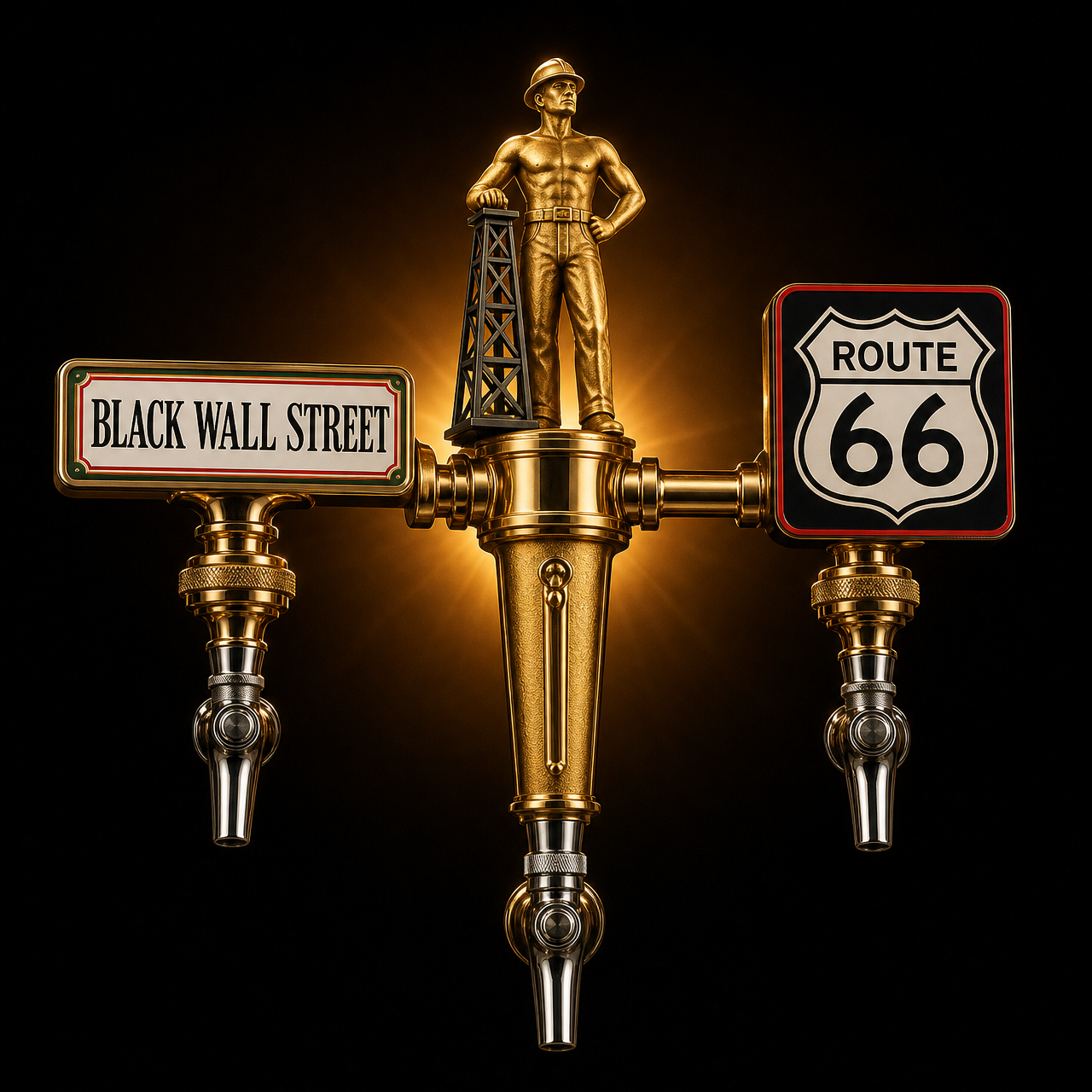
The long pour

Casino Timeline

  1. Nov 1984

    Creek Nation Tulsa Bingo opens

    The Muscogee (Creek) Nation opens Creek Nation Tulsa Bingo at 81st Street — the area's first tribal gaming facility, built around high-stakes bingo.

  2. Oct 1988

    The Indian Gaming Regulatory Act

    President Ronald Reagan signs the federal Indian Gaming Regulatory Act (IGRA), creating the legal structure for tribal gaming nationwide and opening the door to modern casino development.

  3. Sep 1993

    Cherokee Bingo Outpost, Catoosa

    The Cherokee Nation opens the Cherokee Bingo Outpost just east of Tulsa in Catoosa — the property that would eventually grow into a full-scale resort casino.

  4. Summer 2005

    Osage Casino opens in Tulsa

    The Osage Nation opens Osage Casino in Tulsa, establishing a key gaming and entertainment site close to downtown.

  5. Aug 2009

    Hard Rock Hotel & Casino Tulsa

    The Cherokee Nation rebrands its Catoosa property as the Hard Rock Hotel & Casino Tulsa after signing a major licensing deal, adding large-scale entertainment venues and hotel space.

  6. 2009–2016

    River Spirit rises at 81st & Riverside

    The Muscogee (Creek) Nation replaces its older 81st and Riverside facilities with the state-of-the-art River Spirit Casino, later adding a Margaritaville-themed hotel and casino expansion in 2016.

  7. 2017–2019

    The expansion years

    Both Hard Rock and River Spirit expand again — massive new gaming floors, luxury spas, convention space, and parking structures reshape Tulsa's casino footprint.

  8. Today

    Economic engines

    Tulsa's tribal casinos operate as major regional economic drivers, funding tribal government services, healthcare, education, and community infrastructure across northeastern Oklahoma.

Beyond the floor

Community Impact

Tribal government services

Gaming revenue funds the day-to-day operations and programs of the Cherokee, Muscogee (Creek), and Osage Nations.

Healthcare & education

Clinics, hospitals, scholarships, and language and cultural programs across northeastern Oklahoma are supported by casino proceeds.

Regional infrastructure

Roads, community facilities, and thousands of jobs make Tulsa's casinos among the region's largest employers and economic drivers.

Back to Tulsa on Tap